
The Bali Tech Summit
AI Technologies for Sustainability
AI-focused technologies:
A New Power in Sustainability
AI-focused technologies refers to a specialized set of technologies and innovations designed to address climate impacts and promote sustainability. The global sustainability industry is rapidly growing and has become a key area of focus for investors, businesses, and governments worldwide.
According to a report by Cleantech Group, the global climate tech market was valued at $1.2 trillion in 2020 and is expected to reach $2.5 trillion by 2025. This growth is driven by a combination of factors, including increasing awareness of the urgent need to address climate change, government policies and regulations aimed at reducing carbon emissions, and advancements in technology.
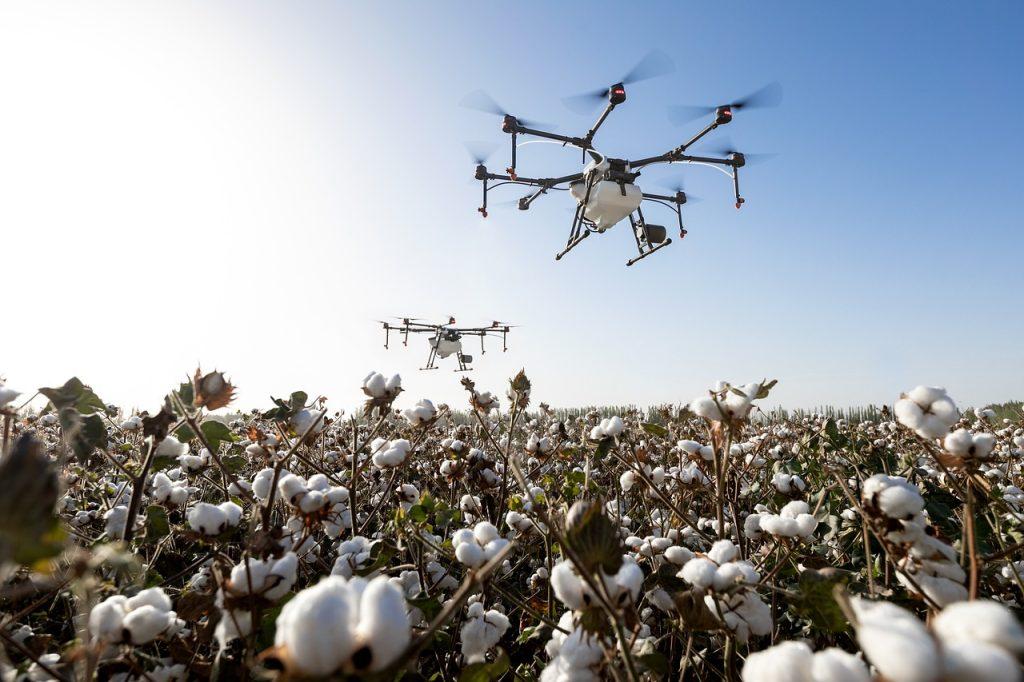
Opportunities in the climate tech industry are vast and diverse. They range from renewable energy technologies such as wind and solar power to energy efficiency solutions for buildings and transportation, to carbon capture and storage technologies, to sustainable agriculture and food production technologies, and more.

The First Mile Organization
Challenges
However, the sustainability tech industry also faces several challenges. One of the main challenges is the high cost of developing and scaling up new technologies, which can be a significant barrier to entry for many startups and entrepreneurs. Additionally, the regulatory and policy landscape for industry technology is complex and constantly evolving, which can create uncertainty for investors and businesses.
Despite these challenges, a number of initiatives have been undertaken to support the growth of the climate tech industry. For example, governments around the world have introduced various policies and regulations to incentivize the adoption of sustainable technologies and reduce carbon emissions. Private investors and venture capitalists have also become increasingly interested in funding climate tech startups, leading to a surge in investment in the sector.
The First Mile Organization
The Impact of the Bali Tech Summit
One key area of innovation is climate technology or “climate tech.” Climate tech encompasses a broad range of technologies and solutions that aim to reduce greenhouse gas emissions and help societies adapt to the impacts of climate change. Despite the potential of climate tech, there are still significant gaps in the industry, including a lack of investment, limited collaboration, and inadequate infrastructure to support its growth.
The focus of The First Mile Organization is to address these gaps and create a sustainable platform for climate tech innovation that supports collaboration, investment, and growth. By providing an annual Bali Climate Tech Summit for entrepreneurs, investors, and stakeholders to come together to accelerate the development and adoption of climate tech solutions, thereby contributing to the global effort to address climate change.
The First Mile Organization
Building a Platform for Innovation and Change
The First Mile Organization has developed a Digital Platform from which to operate and grow the Climate Tech Summit. Our focus on Technology, Innovation and Artificial Intelligence is based on the requirement to be inclusive of all global communities. The world has never experienced the level of connectivity in today’s digital world. Data and Technology are now the most valuable assets in the global marketplace. Our Annual Climate Tech Summit in Bali, Indonesia is specifically designed to bring balance and access to all.

The First Mile Organization
The Bali Sustainability Forums and The Bali Tech Summit
The Bali Sustainability Forums and Bali Tech Summit are held in conjunction with each other. By having parallel events, we have designed our sponsored programs to deliver maximum impact on the gathering of global leaders, corporations, and digitally focused global corporations.
We will showcase and highlight the latest innovations and technology, focusing on solutions to sustainability and climate change. Our ultimate focus is on creating real value at both ends of the value chain.